How to Remove Chemical Oxygen Demand (COD) from Water?
Chemical Oxygen Demand (COD) is a crucial parameter in water quality testing that measures the amount of oxygen required to chemically oxidize organic and inorganic substances in water. High COD levels indicate the presence of pollution and can affect aquatic life, making water bodies unsafe for human use. Reducing COD is essential for industries such as wastewater treatment, food processing, pulp and paper, and textiles. This article explores effective methods to remove COD from water, tailored for professionals in these industries.
WASTE WATER TREATMENT PLANT
hardik patel
1/7/20252 min read
How to Remove Chemical Oxygen Demand (COD) from Water?
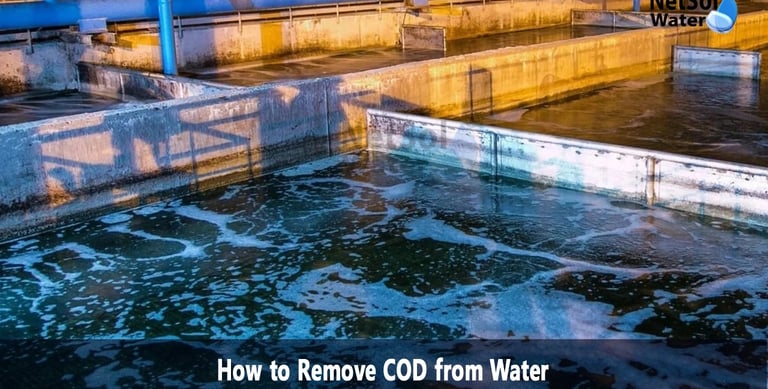
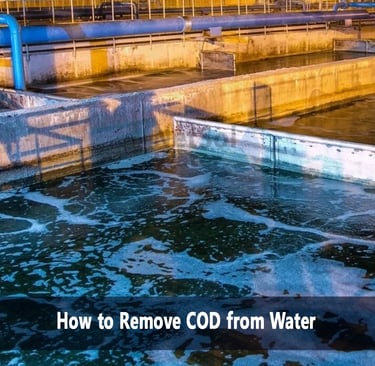
Chemical Oxygen Demand (COD) is a crucial parameter in water quality testing that measures the amount of oxygen required to chemically oxidize organic and inorganic substances in water. High COD levels indicate the presence of pollution and can affect aquatic life, making water bodies unsafe for human use. Reducing COD is essential for industries such as wastewater treatment, food processing, pulp and paper, and textiles. This article explores effective methods to remove COD from water, tailored for professionals in these industries.
Understanding COD
Before diving into removal techniques, it’s vital to understand why COD is important. Elevated COD values can lead to environmental degradation and violate water quality standards. Moreover, industries discharging effluents with high COD face regulatory penalties and risk damaging their reputation. Therefore, implementing effective treatment technologies is necessary for compliance and sustainability.
Methods for COD Reduction
1. Biological Treatment:
Biological treatment is one of the most widely used methods for reducing COD in wastewater. This method utilizes microorganisms to break down organic compounds present in the water. Activated sludge processes, membrane bioreactors, and anaerobic digestion are common biological operations used. These methods are often cost-effective and can effectively reduce COD levels by more than 80%.
2. Chemical Oxidation:
In this approach, strong oxidizing agents, such as potassium permanganate and hydrogen peroxide, are employed to chemically oxidize organic matter. Chemical oxidation is effective in significantly lowering COD levels, especially in highly polluted wastewater sources. However, care must be taken to manage residual chemicals and potential secondary pollution, making it vital to balance efficiency and safety.
3. Advanced Oxidation Processes (AOPs):
AOPs are innovative technologies utilizing ultraviolet light, ozone, or hydrogen peroxide to generate highly reactive hydroxyl radicals that can effectively degrade organic pollutants. This method boasts a rapid reduction in COD levels and can also eliminate persistent organic pollutants. AOPs can be implemented either as standalone treatment or in conjunction with other processes to enhance overall efficiency.
4. Physical Treatment:
Physical methods, such as filtration, sedimentation, and flotation, can also play a role in lowering COD levels by removing suspended solids and particulate matter. While these processes may not eliminate dissolved pollutants, they serve as essential pre-treatment stages to enhance the effectiveness of subsequent biological or chemical treatments.
5. Activated Carbon Treatment:
Activated carbon adsorption is another efficient method for reducing COD, particularly in industries with high organic loads. The activated carbon adsorbs organic compounds from wastewater, leading to a significant reduction in COD levels. Although effective, this method involves additional costs related to the purchase and regeneration of activated carbon.
Conclusion
Reducing COD in industrial water discharges is crucial for maintaining environmental standards and regulatory compliance. Each industry may require a tailored approach depending on the nature of the effluent. Combining multiple treatment methods often yields the best results. Water treatment professionals must evaluate the specific characteristics of their wastewater and select the most appropriate strategies to ensure effective COD removal. Investing in the right treatment technology not only enhances environmental protection but also contributes to the sustainable operation of industrial processes.
Expertise in Energy & Water Management
Quick Link
© 2025. All rights reserved.
CONTACT US
C 503, Naroda Smart City 2, Hanspura, Naroda - Dehgam Road, Ahmedabad - 382330
+91 9737371996