Efficient Effluent Treatment Plant Solutions: A Comprehensive Guide
ETPs not only safeguard public health but also offer economic benefits by reclaiming resources and reducing treatment costs. They come in various types, including industrial, municipal, and agricultural plants. Understanding ETPs provides insight into our path toward sustainable water management.
hardik patel
1/3/20253 min read
Efficient Effluent Treatment Plant Solutions: A Comprehensive Guide
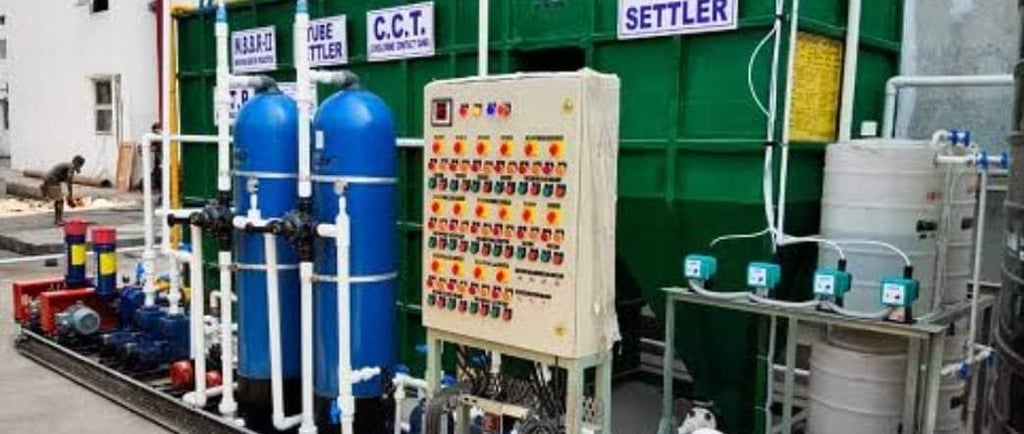
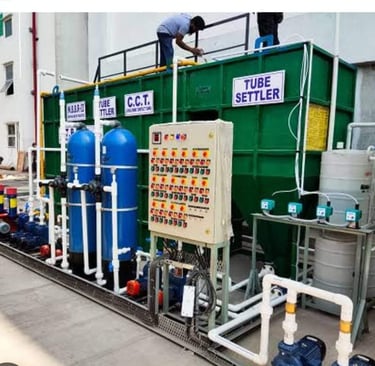
Water pollution remains a critical global issue. According to the World Health Organization, over 2 billion people lack access to safe drinking water. Effluent treatment plants (ETPs) play a vital role in addressing this crisis by treating wastewater before it returns to the environment.
ETPs not only safeguard public health but also offer economic benefits by reclaiming resources and reducing treatment costs. They come in various types, including industrial, municipal, and agricultural plants. Understanding ETPs provides insight into our path toward sustainable water management.
This article covers a wide range of topics related to effluent treatment plants, including the types of effluent, treatment methods, design considerations, operation, maintenance, and future trends. Readers will gain knowledge on the significance of ETPs and how they contribute to better water quality and environmental protection.
Understanding Effluent and its Treatment
Types of Effluent
Effluent can be categorized into three main types, each with unique characteristics:
Industrial Effluent: Often contains chemicals, heavy metals, and organic pollutants from manufacturing processes.
Municipal Effluent: Comes from households and municipal facilities and includes human waste, food particles, and detergents.
Agricultural Effluent: Results from farming activities and may contain fertilizers, pesticides, and organic matter.
Sources of Effluent Pollution
Several sources contribute to water pollution:
Industrial discharges: Account for approximately 70% of heavy metals in water bodies.
Agricultural runoff: Contributes to nutrient pollution, leading to algal blooms.
Urban runoff: Carries oil, grease, and other contaminants from streets and pavements.
Statistics reveal that polluted water leads to 1.2 million deaths yearly from diseases linked to unsuitable drinking water.
The Need for Effective Effluent Treatment
Discharging untreated effluent can have severe consequences on ecosystems and human health. The lack of treatment can harm aquatic life, pollute drinking water sources, and violate regulatory standards. Compliance with laws, such as the Clean Water Act in the U.S., is essential for safeguarding communities and environments.
Types of Effluent Treatment Plants
Biological Treatment Processes
Biological treatments utilize microorganisms to break down organic matter. Key methods include:
Aerobic Digestion: Uses oxygen-rich environments to decompose waste.
Anaerobic Digestion: Occurs without oxygen, producing biogas as a by-product.
Activated Sludge: A mix of microorganisms and wastewater that helps break down pollutants.
An example is a municipal ETP in California, where activated sludge processes effectively treat wastewater, enhancing water quality.
Physical and Chemical Treatment Processes
ETPs also employ physical and chemical methods, such as:
Screening: Removing large debris from wastewater.
Sedimentation: Allowing solids to settle out.
Filtration: Capturing smaller particles.
Coagulation: Adding chemicals to clump particles together for easier removal.
Disinfection: Using chlorine or UV light to kill pathogens.
Advanced Treatment Technologies
Advanced technologies improve treatment efficiency and sustainability. Some examples are:
Membrane Bioreactor (MBR): Combines biological treatment with membrane filtration, producing high-quality effluent.
Constructed Wetlands: Natural systems that use plants to filter contaminants.
Statistics indicate that MBRs can reduce total suspended solids (TSS) by over 90%, making them highly effective.
Designing and Constructing an Effluent Treatment Plant
Site Selection and Assessment
Choosing the right site is critical for an ETP's success. Important factors include:
Proximity to water sources: Ensures efficient wastewater discharge and treatment.
Soil type: Affects drainage and treatment efficiency.
Accessibility: Facilitates construction and maintenance.
Permitting and Regulatory Compliance
Designing an ETP requires necessary permits and adherence to regulations. The Environmental Protection Agency (EPA) sets standards that must be met during construction and operation.
Cost Considerations and Funding Options
Cost factors include:
Design complexity
Processing technology
Location
Possible funding sources for ETP projects include government grants, loans from financial institutions, and public-private partnerships.
Operation and Maintenance of Effluent Treatment Plants
Regular Monitoring and Testing
To ensure effluent quality, ETPs must carry out regular monitoring. Key parameters include:
Biochemical Oxygen Demand (BOD)
Total Suspended Solids (TSS)
Nutrient levels (nitrogen and phosphorus)
Equipment Maintenance and Repair
Routine maintenance is crucial for optimal performance. Important tasks include:
Inspecting pumps and motors
Cleaning filters
Calibrating instruments
Staff Training and Expertise
Well-trained staff are essential for efficient plant operation. Training ensures personnel understand the processes and equipment, allowing for quick problem resolution.
Future Trends in Effluent Treatment Technology
Sustainable and Green Technologies
Emerging technologies focus on sustainability. Energy-efficient solutions, like biogas production from anaerobic treatment, reduce carbon footprints. "Sustainability in wastewater treatment is not just a necessity; it’s a responsibility," says an industry expert.
Integration of Smart Technologies
Smart technologies, such as IoT and data analytics, are becoming common in ETPs. These tools help optimize processes and monitor systems in real-time. The market for smart water management solutions is projected to grow by over 15% annually in the next few years.
Policy and Regulatory Changes
Up-and-coming regulations will impact ETP design and operation. Stricter discharge limits and emission standards will push ETPs to adopt advanced technologies.
Conclusion
Effluent treatment plants are vital for protecting water resources and the environment. Understanding their types, design considerations, operation, and future trends can empower communities and industries to pursue better water management practices.
Take action and learn more about sustainable water management solutions. Together, we can help ensure cleaner water for future generations.
Expertise in Energy & Water Management
Quick Link
© 2025. All rights reserved.
CONTACT US
C 503, Naroda Smart City 2, Hanspura, Naroda - Dehgam Road, Ahmedabad - 382330
+91 9737371996