
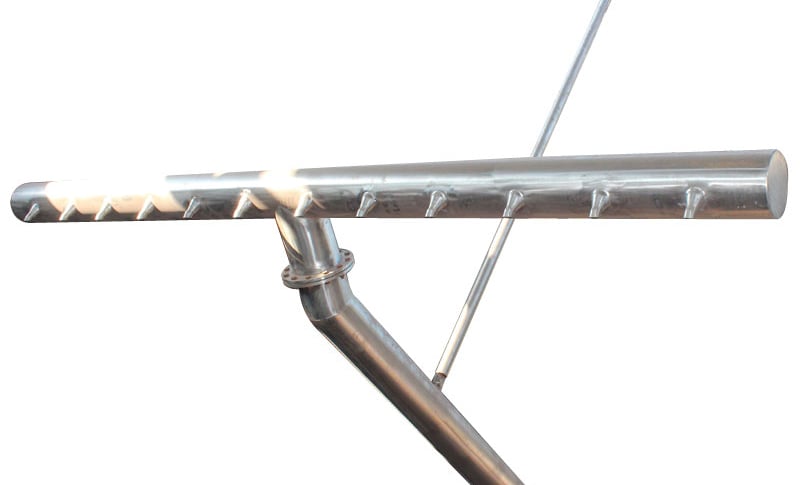
Decanter for SBR – for decanting process
Decanters are critical components in Sequencing Batch Reactor (SBR) systems, serving as the gateway between treated wastewater and its safe release into the environment. These specialized devices extract clarified water from the top layer of treatment tanks while leaving settled solids undisturbed at the bottom.
WASTE WATER TREATMENT PLANT
hardik patel
12/31/20248 min read
Introduction
Decanters are critical components in Sequencing Batch Reactor (SBR) systems, serving as the gateway between treated wastewater and its safe release into the environment. These specialized devices extract clarified water from the top layer of treatment tanks while leaving settled solids undisturbed at the bottom.
The decanting process is a vital stage in wastewater treatment facilities, marking the final step where clean water separates from processed waste. A well-designed decanter ensures:
Efficient removal of treated water
Protection against solids carryover
Consistent discharge quality
Reliable automated operation
In modern sewage treatment plants, the effectiveness of your entire SBR system often depends on how well your decanter performs. A properly functioning decanter maintains the delicate balance between treatment cycles and helps achieve regulatory compliance for effluent quality.
This article explores the world of SBR decanters, breaking down their types, mechanisms, and applications. You'll discover:
Different decanter categories and their specific uses
Key design considerations for optimal performance
Common challenges and practical solutions
Advanced technologies shaping the future of decanting systems
Whether you're managing a wastewater treatment plant or researching SBR technologies, understanding these crucial components will help you make informed decisions about your treatment processes.
Understanding Sequencing Batch Reactors (SBR)
Sequencing Batch Reactors (SBR) are a flexible and efficient method for treating wastewater. Unlike traditional systems that rely on continuous flow, SBRs operate in cycles, treating wastewater in batches within a single tank. This approach allows for better control over the treatment process and makes SBRs suitable for a wide range of applications.
How SBR Works
The SBR process consists of several distinct phases:
Fill Phase: Raw wastewater enters the reactor, and mixing begins without aeration. Initial biological reactions start during this phase.
React Phase (Aeration): Air diffusers activate to supply oxygen, promoting the growth of microorganisms that break down organic matter. Biological nutrient removal also occurs during this phase, which typically lasts 2-4 hours.
Settle Phase: Aeration stops, and solids separate from the treated water. A clear water zone forms at the top of the tank during this 30-90 minute phase.
Decant Phase: Clear treated water is drawn from the top of the tank while minimizing disturbance to settled sludge. Automated decanter systems ensure efficient removal of treated effluent.
Advantages of SBR Systems
SBR systems offer several benefits over conventional wastewater treatment methods:
Space Efficiency: With their single tank operation, SBRs require less physical space compared to traditional systems, making them ideal for facilities with limited room for expansion.
Operational Flexibility: The ability to adjust cycle times and customize treatment parameters allows SBRs to adapt to changing influent characteristics or discharge requirements.
Cost-Effective Treatment: SBRs often have lower equipment requirements and reduced energy consumption compared to other technologies, resulting in cost savings for operators.
Enhanced Treatment Quality: Through precise process control, SBR systems excel in removing biological nutrients such as nitrogen and phosphorus, achieving high-quality effluent standards.
Applications of SBR Technology
SBR technology is increasingly being adopted by modern sewage treatment plants due to its versatility and effectiveness. These systems can handle both municipal and industrial wastewater streams, accommodating varying flow rates and contamination levels through automated control mechanisms.
Some common applications of SBR include:
Municipal wastewater treatment
Industrial effluent treatment
Decentralized sewage management
Upgrading existing treatment plants
In summary, Sequencing Batch Reactors (SBR) offer a dynamic approach to wastewater treatment with distinct advantages in terms of space efficiency, operational flexibility, cost-effectiveness, and enhanced nutrient removal capabilities. As more facilities recognize the benefits of this technology, it is expected that SBR systems will play an increasingly important role in sustainable water management practices worldwide.
The Decanting Process in SBR Systems
The decanting process is an important step in SBR operations where treated wastewater is removed from the reactor basin. This happens after the settling period when clear water separation has occurred. The process uses specialized equipment to extract the clarified liquid while keeping the settled solids at the bottom of the tank intact.
1. Floating Decanters
Floating decanters are a popular choice in modern SBR systems because they are flexible and operate efficiently. These systems have a floating head assembly that moves on the water's surface, connected to a discharge pipe through flexible connections.
How It Works:
The floating head stays at a fixed distance below the water surface
Automated valves control the flow of treated wastewater
Differential pressure pushes the water through precisely designed openings
Scum guards prevent floating materials from entering the decanter
Key Parts:
Buoyant collection head
Flexible discharge piping
Anti-rotation devices
Level sensors
Control valves
The design of the floating decanter allows it to maintain its position even when the water level changes. As the water level goes up or down, the assembly moves vertically while staying in its relative position below the surface. This ensures consistent extraction of high-quality effluent.
Advantages:
Automatically adjusts to changing water levels
Requires minimal maintenance
Reduces the risk of solids carryover
Operates efficiently without wasting energy
Provides consistent quality of treated wastewater
Limitations:
Potential for mechanical wear on flexible connections
Risk of freezing in cold climates
Higher initial cost compared to fixed systems
Regular inspection of floats required
Limited flow rate capacity
The effectiveness of the floating decanter comes from its ability to draw water from the clearest part of the tank, which is a critical aspect of the overall treatment process. The system's design includes specific features to prevent swirling and maintain smooth flow conditions during the decanting process. This careful engineering ensures minimal disturbance to the settled sludge layer.
Factors Affecting Performance:
Control over decanting rate
Effects of surface tension
Protection against weather elements
Prevention of siphoning effects
Patterns of flow distribution
The success of this system depends greatly on how well it is sized and installed.
2. Pump Decanters
Pump decanters are a reliable solution for SBR systems, using specialized pumps to remove treated wastewater. These systems have either submersible or above-ground pumps connected to adjustable arms that can reach specific depths in the reactor.
Key Components of Pump Decanters:
Variable speed pumps with precision control
Adjustable intake arms with level sensors
Anti-vortex plates to prevent solids uptake
Automated control systems for flow optimization
The way pump decanters work is by directly removing wastewater through controlled pumping. These systems are particularly effective in situations where:
Large amounts of wastewater need to be removed
Precise control over the flow rate is necessary
Installation options need to be flexible
There should be minimal mechanical parts in contact with the wastewater
Performance Benefits:
Can extract up to 1000 m³/hour of wastewater
Maintains consistent flow patterns
Reduces turbulence during extraction
Allows for remote operation and monitoring
Pump decanters are especially useful when different rates of wastewater removal are needed. By adjusting the speed of the pumps, operators can fine-tune the extraction process based on specific treatment requirements and varying conditions of incoming wastewater.
Design Features:
Made of stainless steel for durability
Sealed bearings to reduce maintenance needs
Built-in safeguards against solids carryover
Integration capabilities with SCADA systems
The design of pump decanters focuses on reliability through simple mechanics. Compared to other decanting systems, these pumps require less maintenance because there are fewer moving parts exposed to the wastewater environment.
These systems are particularly valuable in facilities where flow rates vary or precise control over the decanting process is required. The combination of strong construction and operational flexibility makes pump decanters a practical choice for modern SBR installations.
3. Mechanical Decanters
Mechanical decanters are a complex solution used in SBR systems. They have a strong support structure that holds the decanter head above water level during important treatment stages. This positioning stops unwanted solids from being carried over and keeps the treatment efficient.
Key Features of Mechanical Decanters
The design includes several important features:
Fixed Mounting System: A sturdy pedestal anchors the decanter, enabling precise control over vertical movement
Automated Control: Electric actuators manage the decanter's position with millimeter accuracy
Fail-Safe Mechanisms: Built-in overflow protection systems activate during power outages
Anti-Vortex Design: Special plates prevent whirlpool formation during extraction
When to Use Mechanical Decanters
You'll find mechanical decanters particularly effective in large-scale treatment facilities where consistent performance is crucial. The system's ability to maintain position above the water during aeration and settling phases eliminates the risk of floating scum entering the discharge stream.
These decanters extract only the uppermost clarified water layer through a specialized weir system. The extraction process occurs at a controlled rate, typically ranging from 2-5 gallons per minute per linear foot of weir length, depending on your specific application requirements.
Benefits of Using Mechanical Decanters
Key operational benefits include:
Minimal maintenance requirements due to robust construction
Enhanced process control through programmable extraction rates
Superior scum and floating solids retention
Reliable performance in varying weather conditions
Extended equipment lifespan thanks to corrosion-resistant materials
The mechanical decanter's design allows for customization based on tank dimensions and treatment capacity. You can adjust the weir length and extraction rate to match your facility's specific needs, making it a versatile choice for both new installations and system upgrades.
Recent technological advances have introduced smart monitoring capabilities to mechanical decanters. These systems provide real-time data on water quality, flow rates, and equipment status, enabling operators to optimize the decanting process for maximum efficiency.
Design Considerations for Decanters in SBR Systems
The successful implementation of decanters in SBR systems relies on careful attention to design specifications and material selection. Here are the critical design elements that ensure optimal decanter performance:
1. Material Selection
316L stainless steel construction for superior corrosion resistance
UV-resistant seals and gaskets to prevent degradation
Non-metallic bearings to minimize maintenance requirements
2. Control System Integration
Advanced PLC-based control systems for precise operation timing
Variable frequency drives (VFDs) to manage discharge rates
Real-time monitoring capabilities for flow rates and water levels
3. Structural Design Elements
Reinforced mounting brackets to handle operational stresses
Self-adjusting mechanisms for varying water levels
Anti-vortex baffles to prevent air entrainment
4. Safety Features
Emergency overflow protection systems
Fail-safe position mechanisms during power outages
Built-in maintenance access points
5. Performance Optimization
Adjustable weir configurations for flow control
Streamlined hydraulic design to minimize head loss
Strategic positioning of intake points to maximize effluent quality
These design considerations work together to create a robust decanting system that maintains consistent performance throughout the SBR treatment cycle. The integration of these elements ensures reliable operation while minimizing maintenance requirements and extending equipment lifespan.
Challenges and Solutions in the Decanting Process
The decanting phase in SBR operations presents several operational challenges that require careful attention and strategic solutions:
Solids Carryover Issues
Floating scum and debris can enter decanter openings
Improper settling time leads to suspended solids discharge
Temperature variations affect settling characteristics
Solution Implementation
Installation of scum guards and baffles
Automated settling time adjustments based on MLSS measurements
Temperature-compensated control systems
Equipment Malfunctions
Valve failures during critical decant phases
Mechanical wear on moving components
Electrical system disruptions
Preventive Measures
Redundant valve systems for fail-safe operation
Regular maintenance schedules with wear-resistant components
Backup power systems and UPS installation
Process Control Challenges
Inconsistent effluent quality
Variable hydraulic loading
Dissolved oxygen fluctuations
Advanced Control Strategies
Real-time monitoring systems
Flow-paced decanting programs
DO-based phase timing adjustments
These operational issues require a combination of proper equipment selection, preventive maintenance, and advanced control strategies. Modern SBR facilities implement automated monitoring systems to detect potential problems before they impact treatment efficiency.
Conclusion
Effective decanting systems are crucial for modern SBR wastewater treatment operations. They improve efficiency, ensure compliance with regulations, and maintain high-quality effluent standards.
Key Impacts of Advanced Decanting Technologies:
Reduced operational costs through automated processes
Enhanced treatment efficiency with precise control mechanisms
Improved environmental protection through better effluent quality
Extended system lifespan with proper solids management
The future of SBR decanting technology points toward smart systems with real-time monitoring capabilities and predictive maintenance features. These innovations promise to revolutionize wastewater treatment efficiency and reliability.
Your role in advancing wastewater treatment technology matters. Consider these action steps:
Evaluate your current decanting system's performance
Research emerging decanter technologies
Connect with industry experts for system optimization
Invest in pilot programs for new decanting solutions
The path to superior wastewater treatment lies in embracing technological advancement. By investing in research and implementing cutting-edge decanting solutions, you position your facility at the forefront of environmental stewardship and operational excellence.
Ready to transform your SBR system's performance? Start exploring advanced decanting technologies today.
FAQs (Frequently Asked Questions)
What is the role of decanters in Sequencing Batch Reactor (SBR) systems?
Decanters in SBR systems play a crucial role in the decanting process, which is essential for separating treated wastewater from solids. They ensure that the effluent quality meets regulatory standards by effectively removing settled solids during the final phase of the SBR process.
What are the phases of the SBR process?
The SBR process consists of four main phases: filling, aeration, settling, and decanting. During aeration, microorganisms break down organic matter; in settling, solids settle at the bottom; and in decanting, treated water is drawn off while leaving solids behind.
What types of decanters are commonly used in SBR systems?
Common types of decanters used in SBR systems include floating decanters, pump decanters, and mechanical decanters. Each type has its own mechanism and advantages for efficiently separating water from solids during the decanting phase.
What are some design considerations for decanters in SBR systems?
Key design considerations for decanters include using corrosion-resistant materials, ensuring proper floating head assembly, differential pressure management, and incorporating electro-mechanical actuators to enhance performance and reliability during the decanting process.
What challenges might arise during the decanting process in SBR operations?
Challenges during the decanting phase can include solids carryover and operational failures. Addressing these issues may involve optimizing decanter design, improving control systems, and implementing regular maintenance to ensure reliable operation.
Why is effective decanting important for SBR systems?
Effective decanting is critical for enhancing the efficiency of SBR systems as it ensures high-quality effluent is produced while minimizing solids carryover. This not only helps meet environmental regulations but also supports sustainable wastewater treatment practices.
Expertise in Energy & Water Management
Quick Link
© 2025. All rights reserved.

CONTACT US
C 503, Naroda Smart City 2, Hanspura, Naroda - Dehgam Road, Ahmedabad - 382330
+91 9737371996