
Comparing different techniques for removing TSS from wastewater
Total Suspended Solids (TSS) in wastewater pose significant challenges to environmental sustainability and public health. The efficient removal of TSS is crucial in wastewater treatment processes to meet regulatory standards and protect aquatic ecosystems.
WASTE WATER TREATMENT PLANT
hardik patel
1/7/20254 min read
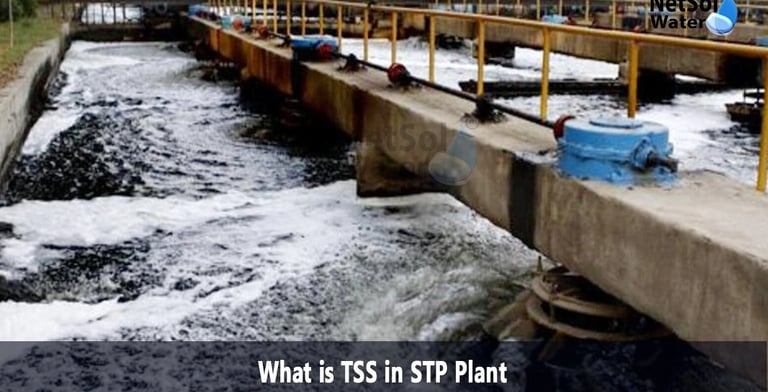
Total Suspended Solids (TSS) in wastewater pose significant challenges to environmental sustainability and public health. The efficient removal of TSS is crucial in wastewater treatment processes to meet regulatory standards and protect aquatic ecosystems. In this article, we will explore and compare various techniques employed for the removal of TSS from wastewater. From traditional physical methods to cutting-edge advanced technologies, each approach offers unique advantages and considerations that play a vital role in the overall effectiveness of TSS removal. By examining these techniques comprehensively, we aim to provide insights into the best practices for addressing TSS in wastewater treatment systems.
Introduction to Total Suspended Solids (TSS) in Wastewater
Let's talk about TSS, a not-so-welcome guest in wastewater. Total Suspended Solids (TSS) include all the tiny particles that float around in water and make it look cloudy and murky. These particles can come from various sources like soil erosion, organic matter, or industrial discharge. TSS not only makes water look unappealing but can also impact aquatic life and water quality. So, finding ways to kick TSS out of wastewater is crucial for environmental health and human well-being.
# Overview of Common Techniques for TSS Removal
## Understanding the Importance of TSS Removal
Think of TSS as the unwanted guests crashing a party in your wastewater. Removing these particles is like kicking them out so your water can be clean and clear again. TSS removal is essential for maintaining water quality, protecting aquatic ecosystems, and meeting regulatory standards. It's the cleanup crew's job to make sure TSS doesn't overstay its welcome.
## Factors Influencing TSS Removal Efficiency
Just like how some stains are tougher to remove than others, TSS removal efficiency can vary based on different factors. Factors like the size and nature of particles, water temperature, and the type of treatment method used can all play a role in how well TSS is removed. Understanding these factors is key to choosing the right technique for the job.
# Physical Methods for TSS Removal
## Sedimentation Processes
Picture this: TSS particles taking a nosedive to the bottom of a tank like they're in a gravity-powered water slide. Sedimentation processes use gravity to separate TSS from water by allowing the particles to settle down. It's like giving TSS a one-way ticket to the bottom, leaving you with clearer water on top.
## Filtration Techniques
Filtration techniques are like the bouncers at a nightclub, screening out TSS particles as water passes through a filter medium. Whether it's sand, cloth, or membranes doing the filtering, these techniques catch TSS particles in their tracks, leaving you with cleaner water on the other side.
# Chemical Methods for TSS Removal
## Coagulation and Flocculation
It's time for TSS particles to stick together like glue in a crafting class. Coagulation brings these particles closer, while flocculation helps them clump together into bigger, easier-to-remove masses. Think of it as turning a messy room full of tiny toys into larger, more manageable blocks – making cleanup a breeze.
## pH Adjustment Methods
Sometimes, water pH needs a little tweak to kick TSS out the door. By adjusting the acidity or alkalinity of water, pH adjustment methods can help destabilize TSS particles, making them easier to remove. It's like giving TSS a push out the door by changing the music to a less appealing genre.
Biological Methods for TSS Removal
When it comes to tackling Total Suspended Solids (TSS) in wastewater, biological methods offer a natural and effective solution. Let's dive into two popular techniques:
Activated Sludge Process
Imagine a bustling community of microorganisms eagerly chomping down on TSS particles in wastewater. That's the activated sludge process in action! By introducing oxygen and encouraging microbial growth in aeration tanks, this method breaks down TSS into harmless byproducts, leaving cleaner water behind.
Constructed Wetlands
Nature's own water purifiers, constructed wetlands mimic natural wetland ecosystems to filter out TSS. As water flows through specially designed wetland areas rich in vegetation and microorganisms, TSS gets trapped, broken down, and absorbed, promoting cleaner water discharge.
Advanced Technologies for TSS Removal
For a more high-tech approach to TSS removal, advanced technologies come to the rescue. Check out these innovative methods:
Membrane Filtration
Picture ultra-thin barriers acting as sieves, allowing only clean water molecules to pass through while trapping TSS. Membrane filtration systems come in various forms like microfiltration, ultrafiltration, nanofiltration, and reverse osmosis, offering versatile options for TSS removal.
Electrocoagulation
Electrocoagulation brings a shocking twist to TSS removal by using electricity to destabilize and clump together suspended particles. These electrically induced flocs are then easily separated from water, leaving behind clearer and TSS-free water.
Comparative Analysis of TSS Removal Techniques
Now, let's break down how these techniques stack up against each other:
Efficiency Comparison
Activated sludge and constructed wetlands excel in organic TSS removal, while membrane filtration and electrocoagulation target a broader range of TSS particles, including finer solids and colloidal matter.
Cost Analysis
Biological methods like activated sludge and constructed wetlands often boast lower operational costs but may require more significant land area. Advanced technologies such as membrane filtration and electrocoagulation may have higher upfront costs but can offer compact and efficient TSS removal solutions in the long run.
Conclusion and Future Perspectives
In the ever-evolving world of wastewater treatment, a combination of biological methods and advanced technologies proves to be a winning formula for effective TSS removal. As we continue to innovate and optimize these techniques, the future holds promise for even more efficient, cost-effective, and environmentally friendly solutions to keep our waterways clean and pristine.In conclusion, the diverse array of techniques available for removing Total Suspended Solids from wastewater underscores the importance of tailored solutions based on specific needs and conditions. By understanding the strengths and limitations of each method, wastewater treatment plants can optimize their processes to achieve efficient TSS removal, thereby contributing to cleaner waterways and a healthier environment. As technology continues to advance, the future of TSS removal holds promise for even more effective and sustainable solutions in the realm of wastewater treatment.
Expertise in Energy & Water Management
Quick Link
© 2025. All rights reserved.

CONTACT US
C 503, Naroda Smart City 2, Hanspura, Naroda - Dehgam Road, Ahmedabad - 382330
+91 9737371996